Winter Skincare and Self-care



Winter dryness comes from a simple reality about temperature. Cold air holds less moisture than warm air, which means stepping outside in December and January exposes skin to air that contains a fraction of the humidity during summer months. Coming back indoors doesn’t offer much relief. Heating systems warm rooms but pull even more moisture from the air, creating environments where your skin faces the same challenge it did outside.
Adjusting a skincare routine for winter means thinking about what skin needs most during these months. Heavy cleansers that work well in humid weather can feel too harsh when the air is already pulling moisture away. After washing, skin benefits from layered moisture. Using a thinker moisturizer during wintertime is especially recommended if you have dry or sensitive skin. That, along with a nourishing face oil, will help lock in all-day moisture.
For the body, Dr. Bronner’s lavender bar soap offers a gentler option, using plant oils and oatmeal to clean without stripping. Life Elements honey body oil keeps things simple, using a unique combination of honey, goldenseal, shea butter, calendula, and vitamin E to support your skin health.
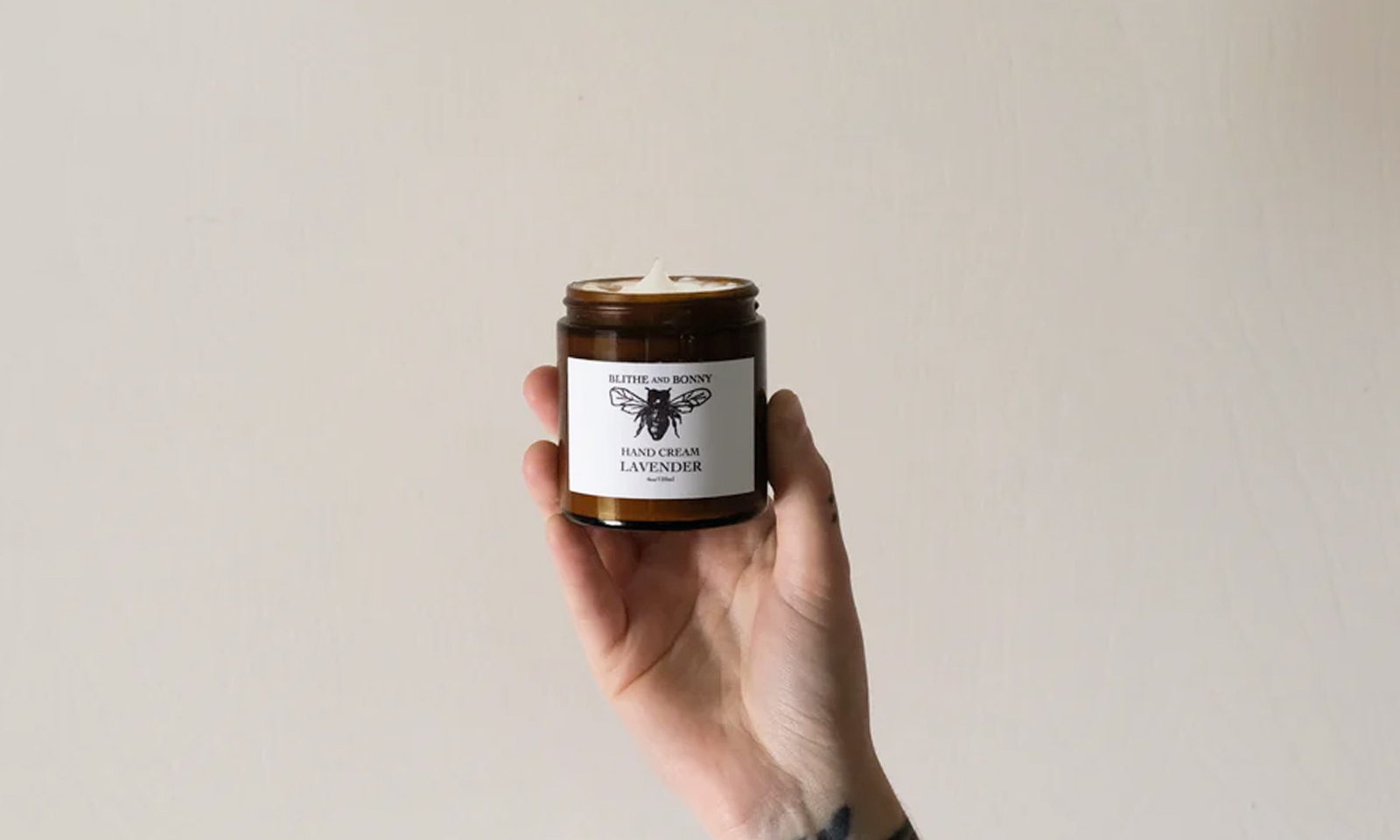
Hands need particular attention during winter because they deal with cold air, frequent washing, and the stress of daily tasks. elizabethW’s Lavender Hand Cream works well throughout the day, sized to fit in a bag or coat pocket for frequent use. Blithe and Bonny’s Lavender Shea Butter Hand Cream provides more intensive care, the kind that makes sense to apply before bed when hands can rest and absorb the moisture.

Of course, it’s vital to focusing on whole-body health this time of year. The soft ginger rescue lozenges from The Ginger People are created for digestive discomfort. It’s a natural solution for stomach ailments during a season of hearty meals.
Other habits make a difference without requiring much effort or expense. While it can be extra challenging during the holidays, eating fresh fruits and vegetables is a vital part of caring for yourself during the winter months. Getting outside, even for short stretches, helps maintain a connection to natural light, getting your body moving, and fresh air that indoor heating can’t replicate. Working through a puzzle or spending time with a book engages the mind in ways that contribute to overall well-being, too.

Winter doesn’t have to mean months of uncomfortable skin. Small changes, applied consistently, can help the body adapt to the season rather than fight against it. The key is finding a routine that feels manageable rather than overwhelming. By February, when winter fatigue tends to peak, having these habits in place makes the remaining weeks feel less demanding and the arrival of spring all the more welcome.

Leave a Reply